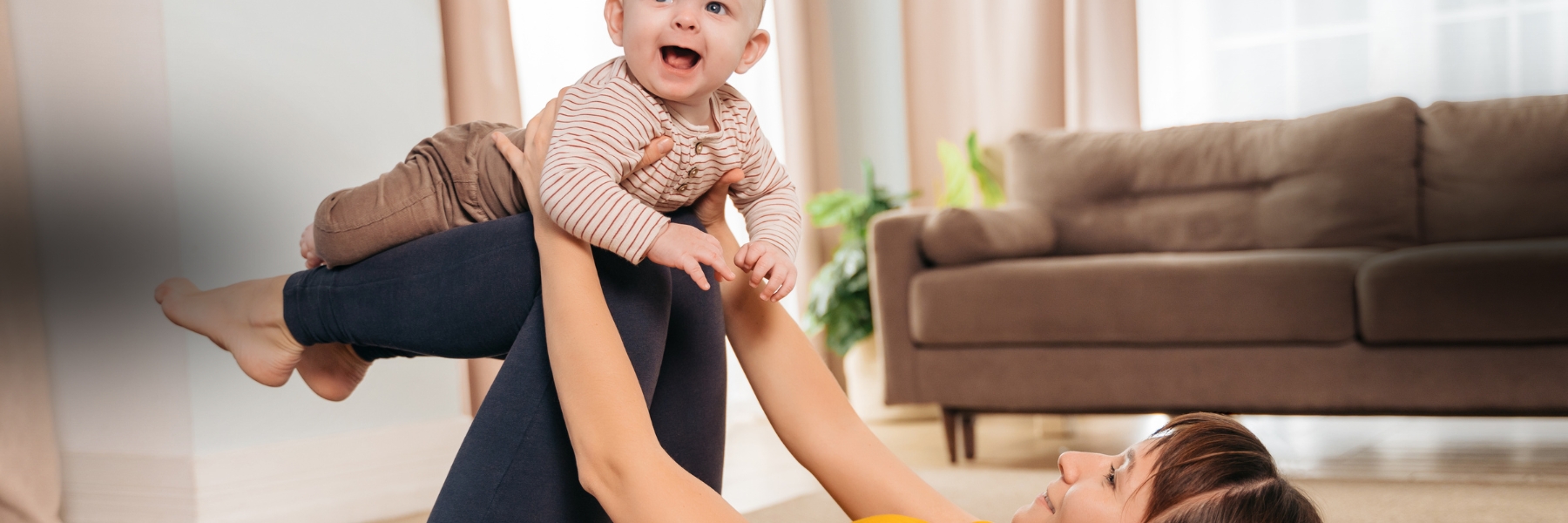
Doctor-ApprovedDiastasis Recti ProgramEryaman, Ankara
Postpartum Pilates
Gradual progression reformer pilates program under physiotherapist supervision for abdominal separation, pelvic floor weakness, and postpartum recovery. Evidence-based approach prioritizing your body's return. Designed for mothers in Eryaman.
Childbirth is not the end of pregnancy; it is a new phase of transformation in your body. Postpartum pilates is a science-based program focused on rebuilding the abdominal connective tissue stretched during pregnancy, the weakened pelvic floor, and the altered posture.
At FiT48, postpartum members are not enrolled in standard pilates classes. First, we measure abdominal separation (diastasis recti), assess the pelvic floor, and analyze posture. These three measurements form the foundation of your program.
Three Program Priorities
Integrity: Repairing abdominal connective tissue and pelvic floor
Stability: Core stability for use during baby care
Form: Body composition goals after recovery is complete
Abdominal Separation (Diastasis Recti)
Postpartum abdominal separation occurs in approximately 60% of pregnancies. Incorrect exercise—classical crunches, planks, push-ups—can worsen this separation. At FiT48, our physiotherapist measures the separation with a finger test; your program is designed accordingly. We aim for safe closure of the separation through transversus abdominis-focused work and proper breathing patterns.
Pelvic Floor Recovery
Childbirth is a process where the pelvic floor muscles experience significant stretching. Urinary incontinence, heaviness sensation, and changes in sexual function are common but rarely discussed problems in the postpartum period. Our program rebuilds pelvic floor awareness; through gradual strengthening and relaxation exercises, we restore these muscles to working order.
Benefits
Program Benefits
01
Abdominal Separation Repair
Gradual and safe closure of diastasis recti.
02
Strong Pelvic Floor
Reduction of urinary incontinence and heaviness sensation; contribution to sexual health.
03
Relief from Back Pain
Solution for chronic lower back and back pain during baby care.
04
Postural Return
Correction of rounded shoulders and forward head posture.
05
Body Confidence
Reconnecting with your body — finding yourself alongside motherhood.
06
Sustainable Form
Lasting body composition through an advanced program after integrity is established.
Process
Three Steps to Recovery
Postpartum Assessment
Measurement of abdominal separation, pelvic floor awareness test, posture analysis, and comprehensive consultation regarding your birth history.
Integrity Phase (0–12 weeks of exercise)
Deep core and pelvic floor priority; gradual work focused on connective tissue repair.
Form Phase (thereafter)
More intense program aimed at body composition goals after integrity is complete.
FAQ
Frequently Asked Questions
When can I start postpartum pilates?
It is recommended to start at week 6 after vaginal birth and week 8 after cesarean delivery, following doctor approval. Early start can negatively affect wound healing; late start is not mandatory, only doctor approval is required.
What is abdominal separation (diastasis recti)? Can it be corrected with pilates?
Diastasis recti is an abdominal separation that occurs due to stretching of the connective tissue (linea alba) that separates the rectus abdominis muscles during pregnancy. With proper pilates practice, especially by working the deep abdominal muscles (transversus abdominis), the separation can be significantly closed. Incorrect exercise (like classical crunches) can worsen the separation; therefore, physiotherapist supervision is critical.
What should I be careful about after cesarean?
Cesarean incision healing completes in 6–8 weeks; however, internal tissue healing can take up to 12 weeks. During this period, exercises that directly strain the abdominal area are avoided. Scar tissue mobilization, postural correction, and pelvic floor work take priority.
Is there any harm in doing pilates while breastfeeding?
No. Regular exercise at reasonable intensity does not negatively affect milk production. With adequate water intake and planning breastfeeding before/after sessions, you can create a comfortable flow.
How long will it take to see weight loss results?
During the postpartum period, priority is not weight loss but proper recovery. The first 3 months focus on pelvic floor and abdominal integrity; then an advanced program targeting body composition begins. With a gradual approach, we aim for long-term and lasting results.
I have back pain when holding my baby—is there a solution?
Yes. A significant portion of postpartum back pain is caused by weakened core muscles and poor posture. Our program both rebuilds these muscles and provides awareness for proper body mechanics during baby care.